My Final Decision · September 2024
A greater cost to the group
“there is a greater cost to the group when a MAS5 mortgage defaults”
The decision relied on that proposition when assessing the rate and ending the 1.25-point correction in November 2022.
Final Decision, p.12; the response concerning the position in 2022 is at p.21.
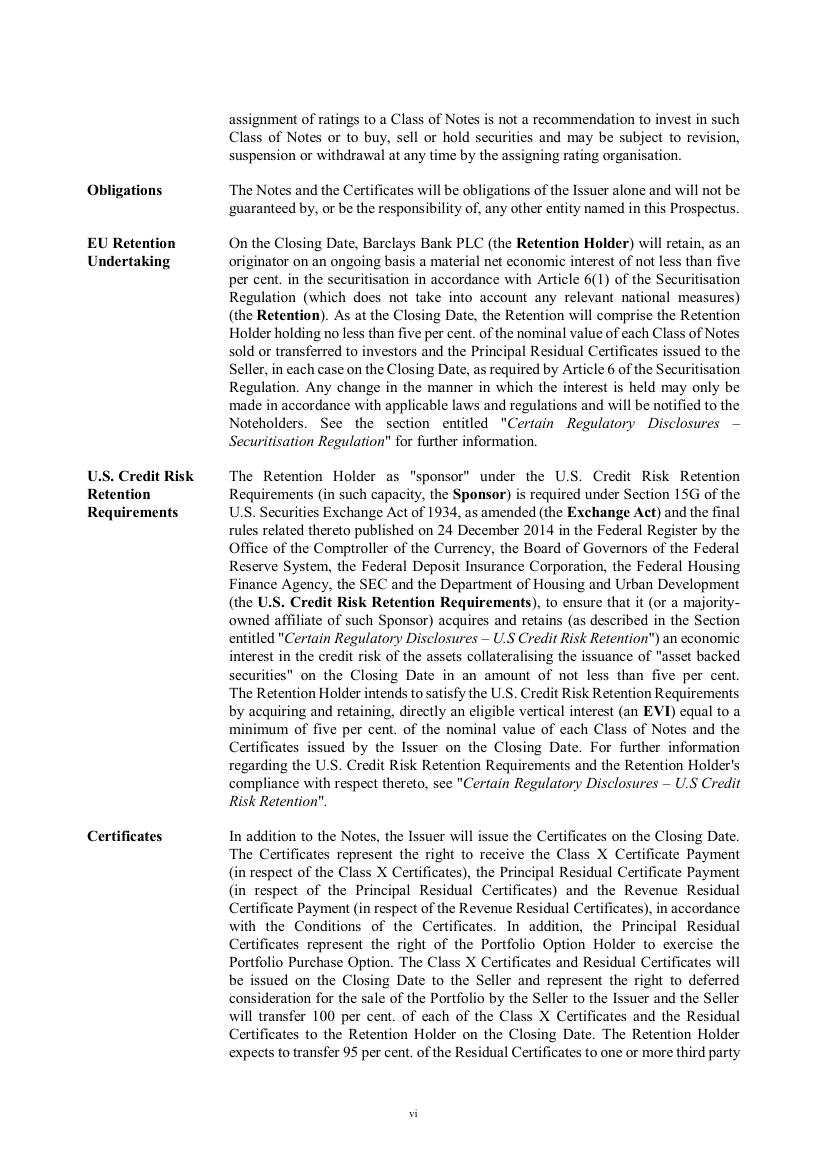
The Bank’s own accounts · 2020
Beneficially owned by Avon
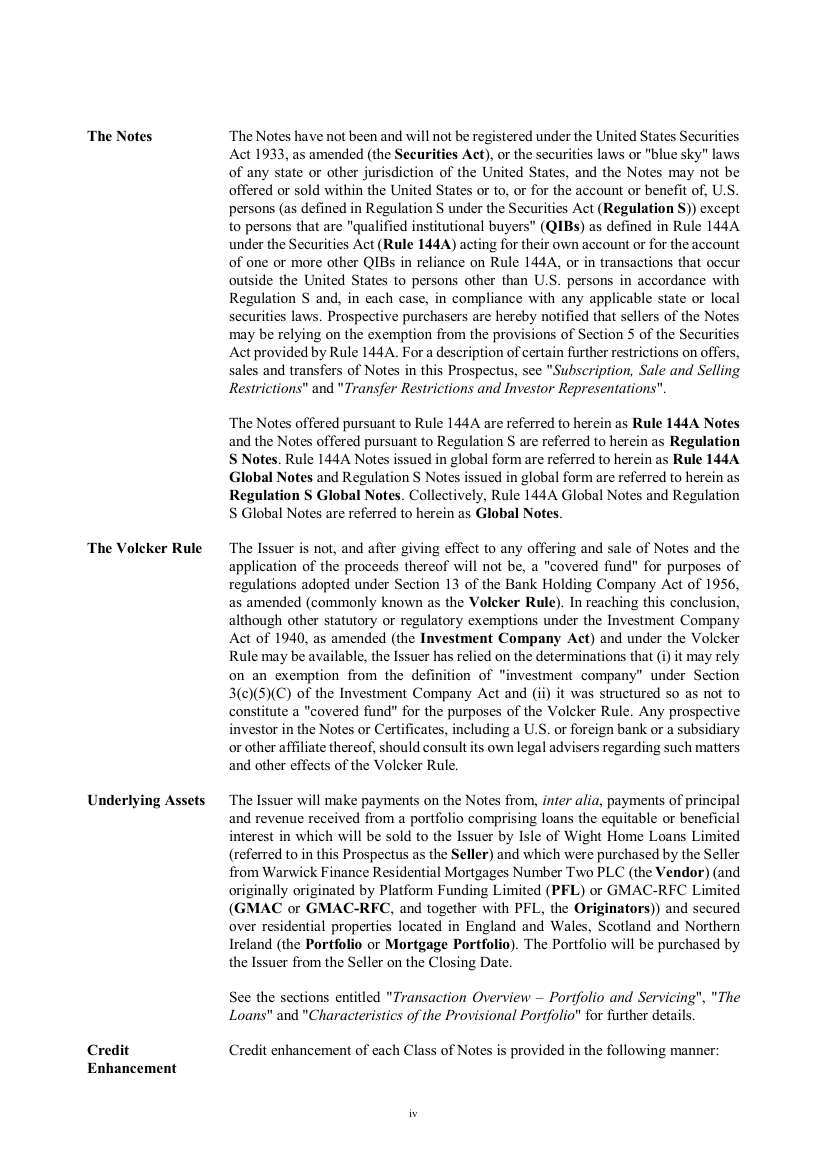
“The Group continues to hold the legal title of the mortgages beneficially owned by the Avon entities on a commercial basis”
The Bank described a paid legal-title role after Warwick One and Two were refinanced into Avon. That account predates 2022.
2020 Annual Report, printed p.173 → · Full report
I say the group-cost reasoning cannot stand without reconciling these accounts. Which company in the group bore which default-related cost in 2022, and under what arrangement? The firms must identify the actual exposure, and explain how it justified the rate charged to me. A fee for holding legal title, the investor’s mortgage risk and a liability to correct earlier overcharging are different things.
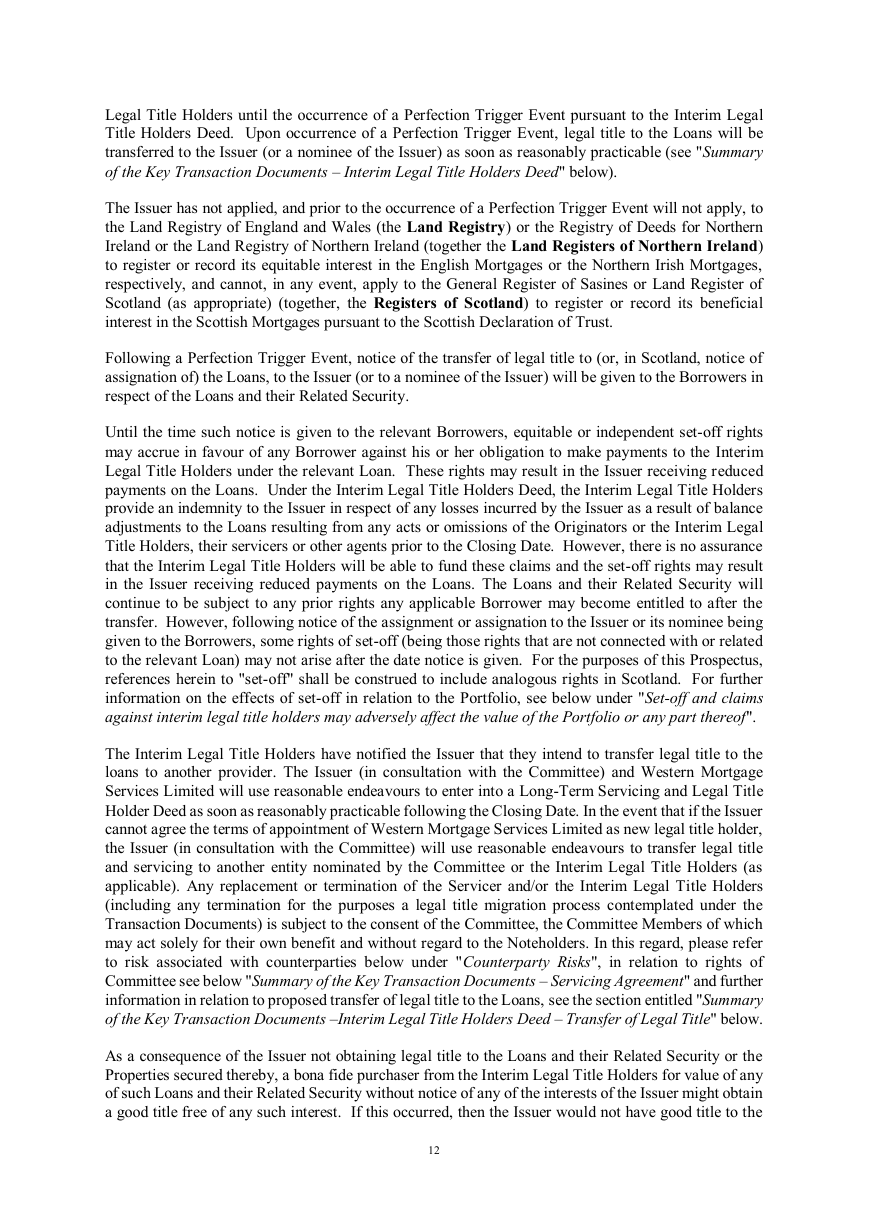
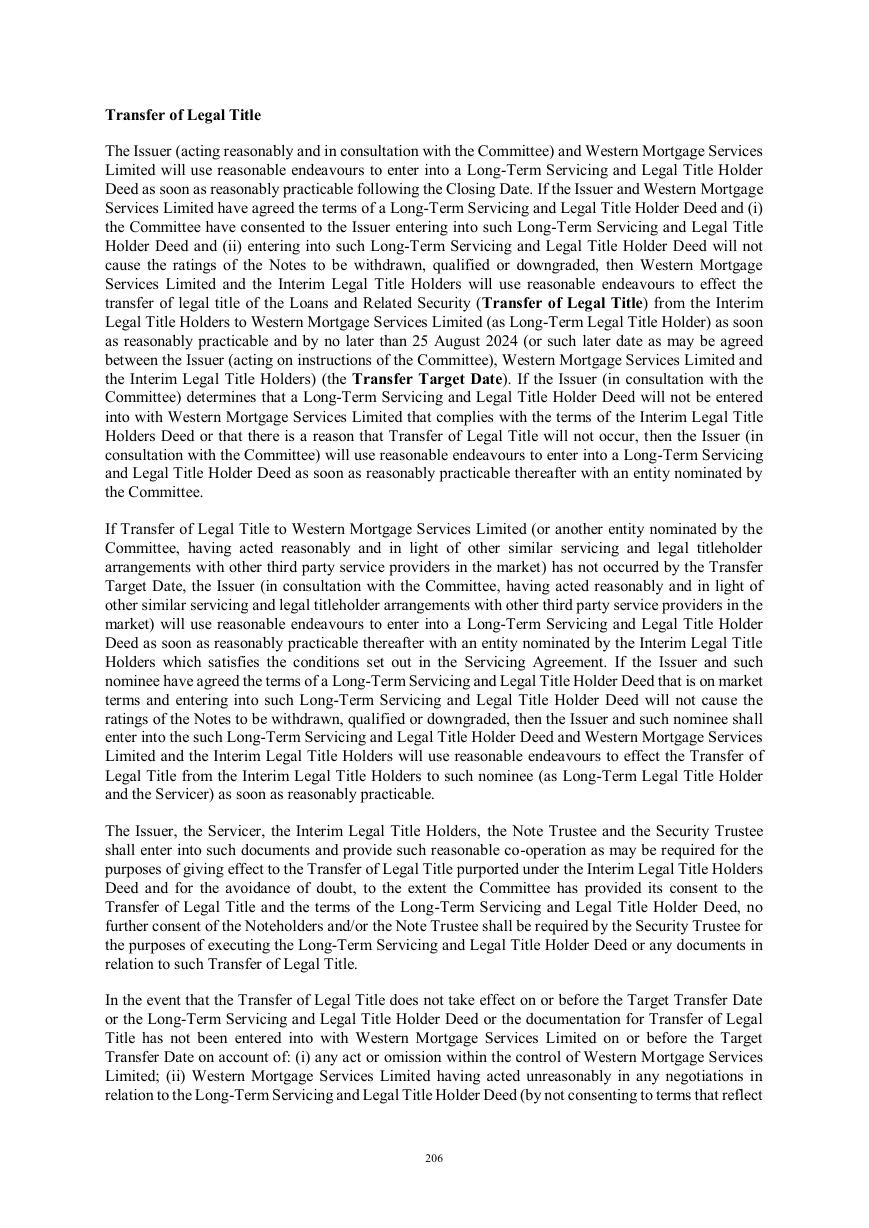
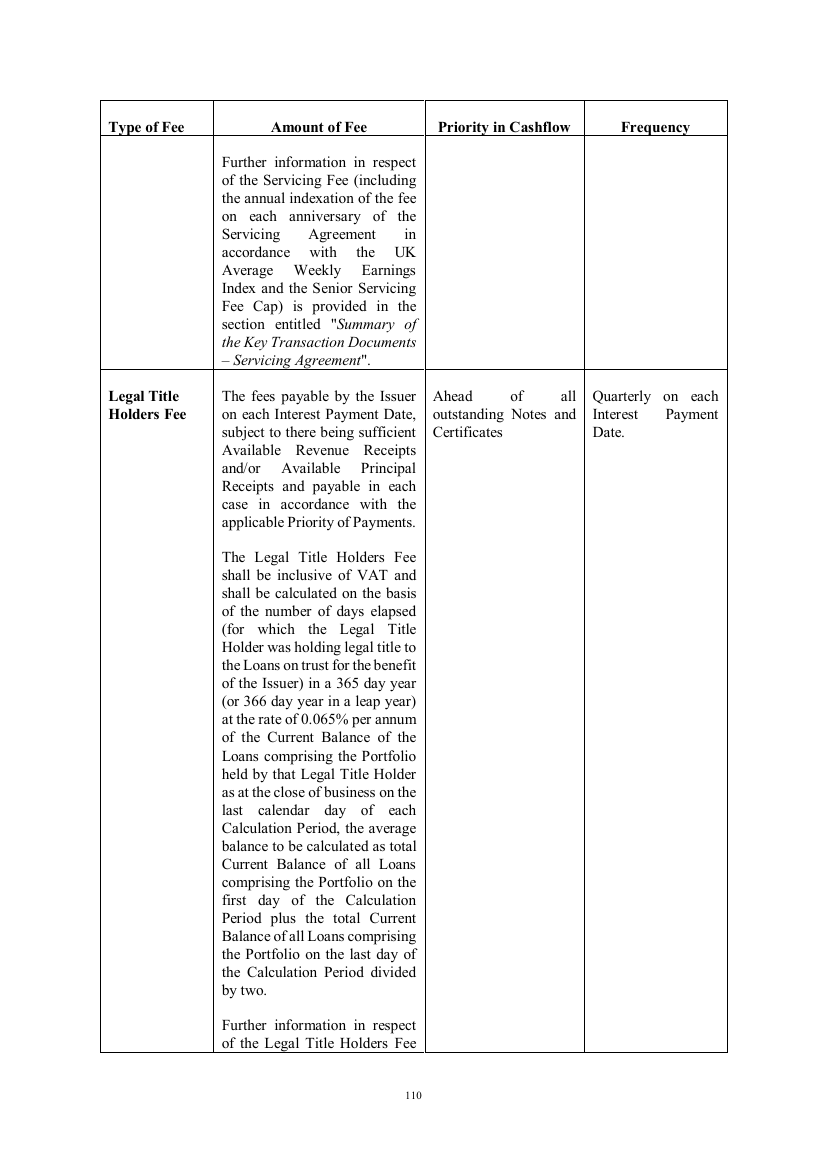
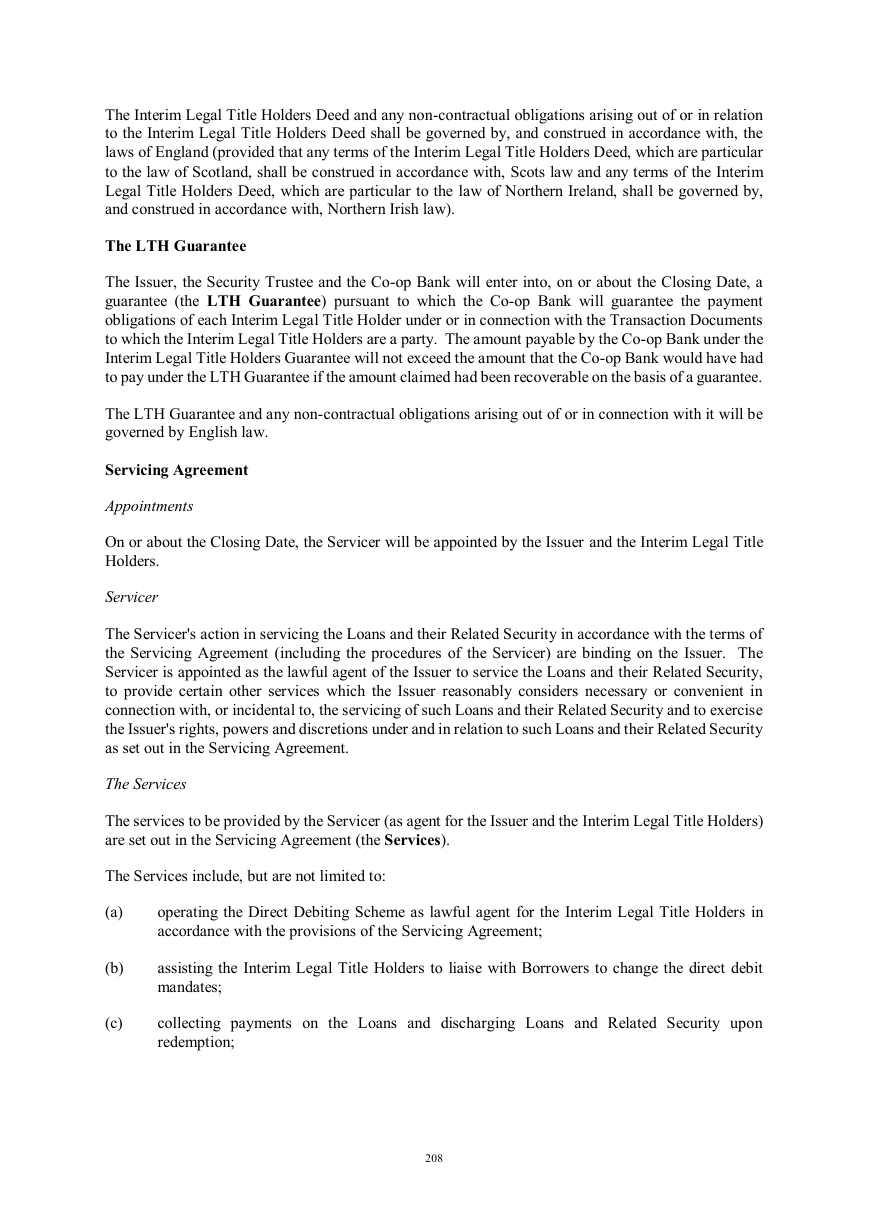
By the time MAS5 was arguing my case in 2024, it had itself told the issuer, as the 2023 prospectus records, that it intended to transfer legal title. In 2025 the Bank publicly explained that it did not hold the beneficial interest anyway. The Service needs the ownership and liability records behind the argument, and the Bank’s dated explanation of them.
So who received the money? After 2020, MAS5 still set my rate as the legal title holder. S&P’s 2020 report on Avon 1 says that “Around 20% of the loans pay to standard variable rates set by the legal titleholders. These are currently high”, and that “The deal benefits from high excess spread at closing (around 1.2% annually)”. That 1.2% is across the whole pool. The Avon 1 prospectus shows that about 80% of the loans were trackers, linked to Bank Rate (51.5%) or LIBOR (29.0%), with the largest group paying between 2% and 2.5%. The prospectus puts 19.45% of balances on the standard variable rate and, in a separate table, 19.67% paying between 5% and 5.5%. Treating those as the same loans, on my calculation that fifth of the loans provided more than half of the whole pool’s 1.2% surplus. Without them, the surplus would have been roughly halved. My completed Warwick 2 allocation shows the same pattern: about a fifth of balances supplied about two-thirds of the modelled surplus (see the business model page). I say the standard-variable-rate borrowers, me among them, were paying a high price to lift the whole pool’s surplus to that level. On the Bank’s own account, the beneficial interest belonged to the Avon entities, and in 2015 the Warwick 2 residual certificates, the right to that leftover margin, were sold to third-party investors. I ask who received the margin my rate produced after 2020, what the Bank received when it sold that income in 2015 and when Warwick was refinanced into Avon in 2020, and how “a greater cost to the group” can justify a rate whose benefit, on the Bank’s own account, went to investors.
S&P Global Ratings, Avon Finance No.1 plc, 2020, p.3; Avon Finance No.1 plc prospectus (2020), pool tables at printed pp.154 and 163 (current interest rate index: BoE Base Rate 51.52%, 3-month LIBOR 29.03%, Standard Variable Rate 19.45%; 19.67% of the pool at 5.0–5.5%; 36.56% at 2.0–2.5%; weighted-average current rate 3.07%). My calculation, assuming funding and running costs fall evenly across the pool: costs ≈ 3.07% − 1.2% = 1.87%; surplus on the standard-variable-rate loans ≈ 5.35% − 1.87% = 3.48%; × 19.45% ≈ 0.68 of the 1.2 points (about 56%). The trackers provide the remaining ≈ 0.52.
The contractual question remains
My case remains that the interest rate breaches the terms and conditions governing my mortgage. A transfer does not enlarge the contractual power to charge interest. I ask the Service to assess the full contractual account, alongside the ownership, funding and liability evidence.